
Introduction
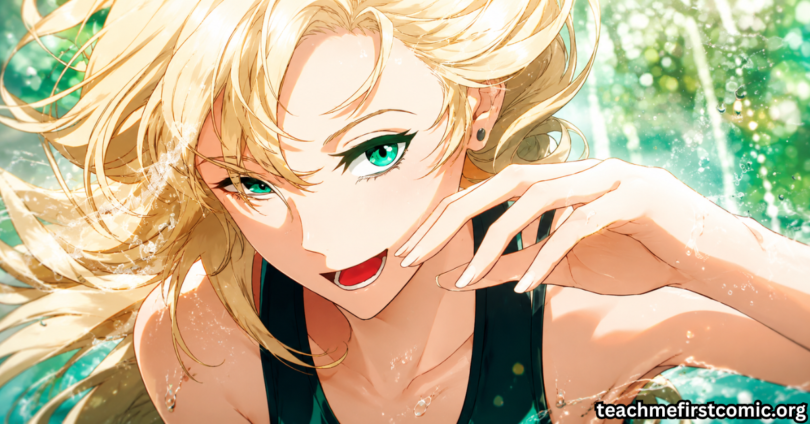
A webtoon guide for beginners is a simple learning resource that helps new readers understand what webtoons are, how they work, where to start, and how to enjoy them safely. Webtoons are digital comics designed mainly for mobile reading. Instead of turning pages like a printed comic book, readers scroll vertically through episodes.
This format makes webtoons easy to read on phones, tablets, and computers. Many readers enjoy them because the stories are colorful, quick to follow, and available in many genres such as comedy, fantasy, action, drama, school life, slice of life, mystery, and adventure.
However, beginners can feel confused at first. There are many apps, platforms, genres, update schedules, creator terms, ratings, and episode systems. That is why this webtoon guide for beginners explains everything in a clean, practical, and safe way.
This article is best for new readers, students, casual comic fans, bloggers, content writers, and anyone who wants to understand webtoon culture without feeling lost.
Quick Answer
A webtoon guide for beginners helps new readers learn how webtoons work, how to choose good stories, how episodes are released, how to read safely, and how to understand common webtoon terms.
In simple words, webtoons are online comics made for scrolling. Most are divided into episodes, and many are updated weekly. Beginners should start with popular free titles, check age ratings, read official descriptions, and avoid unsafe or unofficial websites.
What is webtoon guide for beginners?
A webtoon guide for beginners is a step-by-step explanation for people who are new to digital comics. It explains the basic meaning of webtoons, the reading format, common genres, safe reading habits, and useful tips for choosing the right series.
The word “webtoon” usually refers to digital comics that are published online and optimized for vertical scrolling. This format became popular because it works very well on smartphones. Readers do not need to zoom in again and again. They can simply scroll down and follow the story panel by panel.
For beginners, the most important thing to know is that webtoons are not all the same. Some are funny and light. Some are emotional and serious. Some are made for young readers, while others are meant for older audiences. This is why checking ratings, descriptions, and official platform rules is important.
A good webtoon guide for beginners should not only tell you what to read. It should also teach you how to choose stories wisely, how to respect creators, and how to avoid unsafe websites.
Why is webtoon guide for beginners Important?
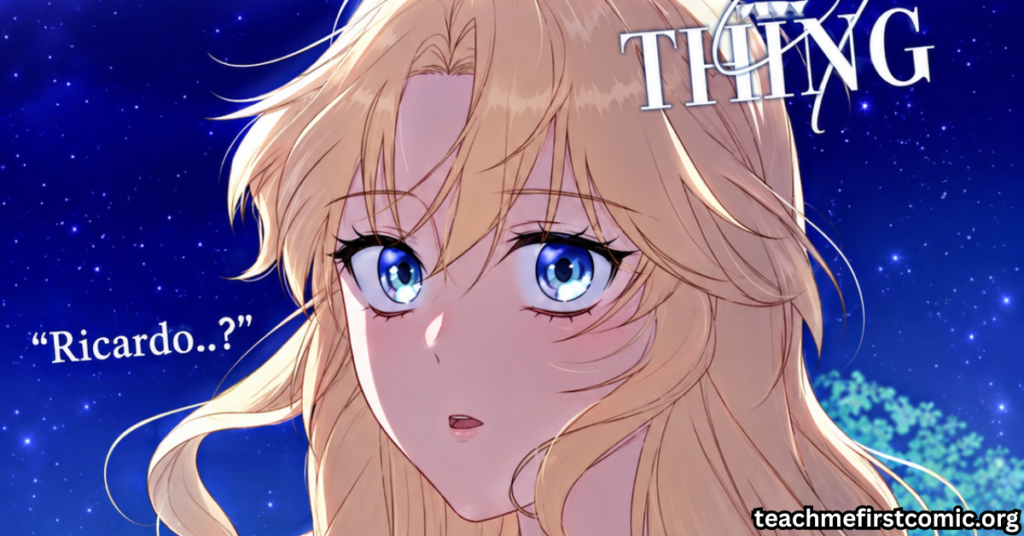
A webtoon guide for beginners is important because webtoon platforms can feel overwhelming for new readers. When someone opens a webtoon app or website for the first time, they may see hundreds or thousands of titles. Without guidance, it becomes hard to know where to begin.
This guide helps beginners understand the system before they waste time on random stories. It also helps readers avoid common mistakes, such as starting too many series at once, ignoring age ratings, or using unofficial sources.
Another reason this guide is useful is that webtoons are different from traditional comics. The scrolling format changes the reading experience. The pacing, panel spacing, cliffhangers, music effects, and episode structure can feel new at first.
For bloggers and website owners, a webtoon guide for beginners can also become a helpful informational article. It answers beginner questions clearly, which is useful for both search engines and AI answer tools.
How Does webtoon guide for beginners Work?
A webtoon guide for beginners works by breaking the topic into simple parts. Instead of giving a random list of comics, it explains the full reading journey.
First, it defines what webtoons are. Then it explains how platforms organize stories. After that, it covers genres, reading habits, safety tips, and common terms. Finally, it gives practical advice for finding stories that match your taste.
For example, a beginner may enjoy comedy but dislike long fantasy stories. Another reader may prefer short completed stories instead of ongoing titles. A useful guide helps both readers choose better.
The basic webtoon reading process usually looks like this:
- Choose a trusted platform.
- Select a genre.
- Read the story description.
- Check the age rating.
- Start from episode one.
- Follow updates if the story is ongoing.
- Save favorite titles to a reading list.
- Support creators through official platforms.
This simple process makes webtoon reading easier and more organized.
Step-by-Step Guide
Step 1: Understand the Webtoon Format
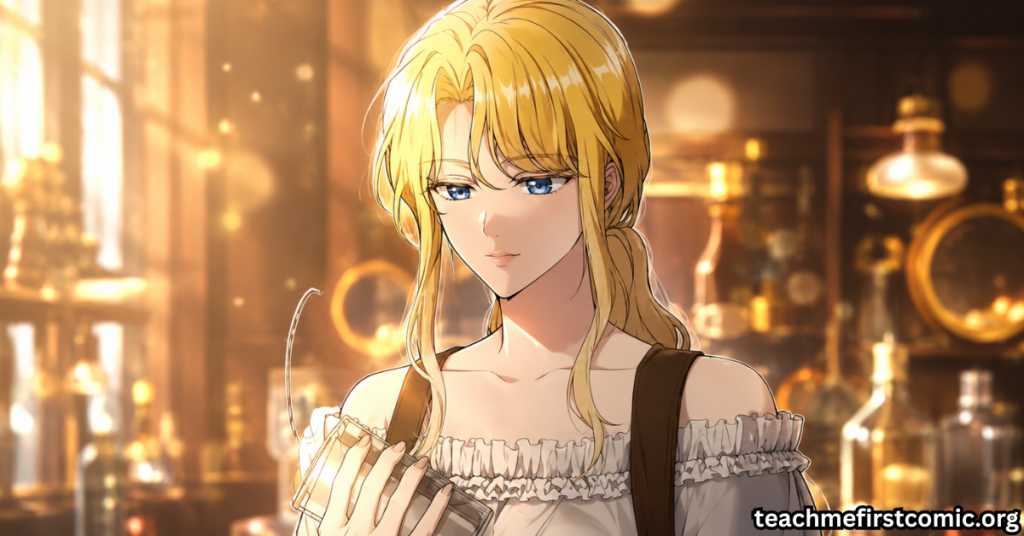
The first step in this webtoon guide for beginners is understanding the format. Webtoons are designed for vertical scrolling. This means each scene appears as you move down the screen.
Traditional comics often use pages with many panels. Webtoons use spacing, color, and scrolling to control the mood. A quiet scene may have large empty spaces between panels. An action scene may move quickly with narrow spacing and sharp visuals.
This format makes webtoons feel more cinematic. Beginners should read slowly at first so they can enjoy the artwork, expressions, and pacing.
Step 2: Choose a Trusted Platform
Always use official and trusted platforms. Official platforms protect creators, provide better translations, and reduce the risk of unsafe pop-ups or copied content.
Trusted platforms also organize stories by genre, rating, popularity, and update schedule. This makes the reading experience easier for beginners.
Avoid suspicious websites that copy episodes without permission. These sites may contain unsafe ads, poor translations, or broken pages.
Step 3: Pick a Beginner-Friendly Genre
A major part of any webtoon guide for beginners is genre selection. Genres help you find the type of story you enjoy.
Common webtoon genres include:
- Comedy
- Fantasy
- Action
- Drama
- School life
- Slice of life
- Mystery
- Adventure
- Sports
- Supernatural
- Romance for age-appropriate readers
Beginners should start with simple and easy genres such as comedy, slice of life, or adventure. These stories are usually easier to follow than complex fantasy worlds with many characters.
Step 4: Read the Description First
Before starting any series, read the official description. A description tells you the main idea, tone, and target audience of the story.
For example, a story description may tell you whether the series is funny, emotional, dark, fast-paced, or slow-paced. This helps you decide if it matches your mood.
Do not start a webtoon only because the cover looks good. Covers are useful, but descriptions give better context.
Step 5: Check Ratings and Warnings
This is one of the most important safety tips in this webtoon guide for beginners. Not every webtoon is suitable for every reader.
Some stories may include mature themes, violence, horror, or sensitive topics. Beginners, especially younger readers, should always check ratings and content warnings before reading.
A safe rule is simple: if a story feels uncomfortable or clearly marked for older audiences, skip it and choose something else.
Step 6: Start with Completed or Popular Series
New readers often enjoy completed series because they can finish the full story without waiting for updates. Popular series can also be easier to start because they usually have many reviews and comments.
However, popularity does not always mean a story is right for you. Read a few episodes first, then decide whether to continue.
Step 7: Create a Reading List
A reading list helps you stay organized. Many beginners start five or ten stories at once and then forget where they stopped.
A simple reading list can include:
- Title name
- Genre
- Current episode
- Status: ongoing or completed
- Personal rating
- Notes about the story
This habit makes webtoon reading more enjoyable and less confusing.
Step 8: Respect Creators
Webtoon creators spend a lot of time writing, drawing, editing, coloring, and publishing their work. Readers should support them by using official platforms, leaving respectful comments, and sharing legal links.
Avoid reposting full episodes or stealing artwork. Sharing a title recommendation is fine, but copying someone’s creative work is not.
Benefits of webtoon guide for beginners
A webtoon guide for beginners offers many benefits for new readers.
It Saves Time
Instead of searching randomly, beginners can follow a clear method. This makes it easier to find enjoyable stories quickly.
It Improves Reading Experience
When readers understand the format, they enjoy the art, pacing, and storytelling more deeply.
It Helps Readers Stay Safe
A good guide reminds readers to check ratings, avoid suspicious sites, and use official platforms.
It Builds Better Story Taste
As readers explore different genres, they learn what type of storytelling they enjoy most.
It Supports Creators
When beginners learn to use official sources, they help creators receive proper credit and platform support.
Disadvantages or Risks
Webtoons are fun, but beginners should also understand the possible risks.
Too Much Screen Time
Reading many episodes in one sitting can increase screen time. Take breaks, rest your eyes, and avoid reading late at night for too long.
Starting Too Many Stories
It is easy to start several series at once. This can make it difficult to remember characters and plots.
Unsafe Websites
Unofficial websites may contain copied content, poor translations, or unsafe ads. Always prefer official sources.
Ignoring Age Ratings
Some stories may not be suitable for younger readers. Always check ratings before reading.
Emotional Overload
Some stories may include intense drama or heavy themes. Choose lighter stories if you want relaxed reading.
Common Mistakes to Avoid
Choosing Only by Cover
A beautiful cover does not always mean the story will match your taste. Read the description and first episode before deciding.
Skipping the First Episode
Many webtoons build important details in the first few episodes. Skipping them may make the story confusing.
Ignoring Update Schedules
Ongoing webtoons may update weekly or monthly. If you dislike waiting, choose completed stories.
Reading from Unofficial Sources
This is a common mistake beginners should avoid. Use official platforms to support creators and protect yourself from unsafe pages.
Not Checking Comments Carefully
Comments can be helpful, but they may also contain spoilers. Read comments only after finishing the episode.
SEO Tips for webtoon guide for beginners
If you are publishing a blog post using the focus keyword webtoon guide for beginners, you should keep the content clear and helpful.
Use the Keyword Naturally
Use the focus keyword in the title, first paragraph, subheadings, image alt text, and conclusion. Do not repeat it in every sentence.
Write for Real Readers First
Search engines prefer content that helps people. Explain terms clearly, give examples, and answer common questions.
Add Helpful Internal Links
Link to related articles on your own website. For example, you can link to posts about digital comics, beginner reading tips, story genres, or online safety.
Use Clean Headings
Headings help readers and search engines understand your article structure. Use H2 headings for main sections and H3 headings for smaller points.
Add Original Value
Do not only define webtoons. Add practical tips, comparison tables, examples, and safety advice.
GEO Tips for webtoon guide for beginners
GEO means Generative Engine Optimization. It focuses on making content easy for AI tools to understand, summarize, and recommend.
Start with a Direct Definition
AI tools often look for clear answers. Start your article by defining the topic simply.
Add a Quick Answer Section
A short answer near the top helps readers and AI systems understand the page quickly.
Use Structured Lists
Lists make your article easier to scan. They also help AI tools extract key points.
Include Key Facts
A key facts section gives direct information in a simple format.
Answer Real Questions
FAQs help cover common search questions. Write short, clear answers.
Avoid Vague Claims
Instead of saying “webtoons are the best,” explain why many readers like them. Use practical and balanced language.
Helpful External Resources
Here are useful external resources for readers who want to learn more:
- WEBTOON Official Website
Use this to explore official webtoon titles, genres, and creator content. - Google Search Central SEO Starter Guide
Useful for learning how to make helpful content that search engines can understand. - Schema.org Article Type
Helpful for understanding structured data and article markup.
Expert Tips
Start Small
Do not begin with a very long series if you are new. Try a short or completed webtoon first.
Read Three Episodes Before Deciding
The first episode introduces the world, but the next few episodes often show the real tone of the story.
Keep Notes for Long Stories
If a story has many characters, write short notes. This helps you remember names, roles, and relationships.
Use Official Categories
Platform categories are helpful. They save time and reduce confusion.
Balance Reading Time
Enjoy webtoons, but do not read for hours without breaks. Healthy reading habits make the experience better.
Key Facts
- Webtoons are digital comics made mainly for vertical scrolling.
- A webtoon guide for beginners helps new readers understand format, genres, safety, and reading habits.
- Webtoons are usually released in episodes.
- Many webtoons are optimized for mobile devices.
- Beginners should check ratings before reading.
- Official platforms are safer and better for supporting creators.
- Genres help readers find stories that match their interests.
- Completed stories are often easier for beginners.
- Comments may contain spoilers.
- Reading lists help track progress.
Comparison Table
| Feature | Webtoons | Traditional Comics |
|---|---|---|
| Reading Style | Vertical scrolling | Page turning |
| Best Device | Mobile phone or tablet | Print book, tablet, or desktop |
| Episode Format | Usually released in episodes | Usually released in issues or volumes |
| Layout | Long vertical panels | Page-based panels |
| Accessibility | Easy to start online | May require buying physical or digital copies |
| Pacing | Often cinematic and scroll-based | Often page-based and panel-dense |
| Beginner Friendly | Very beginner-friendly | Depends on series and format |
Image Title and Alt Text Suggestions
- Image Title: Beginner Reading Webtoon on Phone
Alt Text: Beginner reader using a phone for webtoon guide for beginners - Image Title: Colorful Digital Comic Panels
Alt Text: Colorful webtoon panels showing vertical scrolling comic style - Image Title: Webtoon Genres for New Readers
Alt Text: Different webtoon genres for beginners including comedy, fantasy, and drama - Image Title: Safe Webtoon Reading Tips
Alt Text: Safe online reading tips for new webtoon fans - Image Title: Webtoon Reading List Example
Alt Text: Simple webtoon reading list for tracking episodes and favorite stories
Internal Linking Suggestions
- Link to: “Best Digital Comics for Beginners”
Suggested anchor text: digital comics for beginners - Link to: “How to Read Online Comics Safely”
Suggested anchor text: read online comics safely - Link to: “Top Story Genres Explained”
Suggested anchor text: story genres explained - Link to: “Beginner Guide to Mobile Reading Apps”
Suggested anchor text: mobile reading apps - Link to: “How to Choose a Good Story Online”
Suggested anchor text: choose a good story online - Link to: “Online Reading Safety Tips for Students”
Suggested anchor text: online reading safety tips
FAQs
1. What is a webtoon?
A webtoon is a digital comic usually designed for vertical scrolling. It is often read on phones, tablets, or computers.
2. Is this webtoon guide for beginners useful for new readers?
Yes. This webtoon guide for beginners explains the format, genres, safety tips, reading steps, and common mistakes in simple language.
3. Are webtoons free to read?
Many webtoons are free to read on official platforms. Some platforms may also offer paid features, early access, or premium episodes.
4. What genre should beginners start with?
Beginners can start with comedy, slice of life, fantasy, adventure, or school life stories. These genres are usually easy to follow.
5. Are all webtoons safe for younger readers?
No. Some webtoons may include mature themes or intense content. Always check ratings and descriptions before reading.
6. Why should I use official platforms?
Official platforms are safer, offer better reading quality, and support creators. Unofficial sites may contain copied content or unsafe ads.
7. How many webtoons should I read at once?
Beginners should start with one to three series. This makes it easier to remember characters and storylines.
8. What does ongoing webtoon mean?
An ongoing webtoon is still being updated. New episodes may come weekly, monthly, or according to the creator’s schedule.
9. What does completed webtoon mean?
A completed webtoon has finished its full story. Beginners often like completed stories because they do not need to wait for new episodes.
10. Can webtoons help improve creativity?
Yes. Webtoons can help readers understand visual storytelling, character development, pacing, and dialogue.
Conclusion
A webtoon guide for beginners is useful for anyone who wants to understand digital comics in a simple and safe way. Webtoons are easy to start because they are designed for scrolling, mobile reading, and episode-based storytelling.
For new readers, the best approach is to choose trusted platforms, check ratings, read descriptions, start with beginner-friendly genres, and create a small reading list. This helps you enjoy webtoons without feeling confused.
Webtoons are not only entertainment. They can also teach storytelling, creativity, visual pacing, and character development. Whether you enjoy comedy, adventure, fantasy, or slice of life, there is likely a webtoon style that matches your taste.
The most important rule is to read safely and responsibly. Use official sources, respect creators, avoid suspicious websites, and choose age-appropriate stories.
If you are publishing this topic on WordPress, this webtoon guide for beginners is structured for both readers and search engines. It includes clear definitions, practical tips, FAQs, internal linking ideas, external resources, image alt text, and a final Rank Math checklist.